Cedar Shake Replacement: Repair Options and Costs Explained
Cedar shakes are among the most distinctive roofing and siding materials available, and they suit the bushland character of the Blue Mountains well. They are also a high-maintenance material that faces demanding local conditions: cool, damp winters, intense summer UV, falling leaf litter, and the ever-present bushfire risk. This guide explains when cedar shake replacement is necessary, what repair options exist, what factors influence cost in 2026, and how related systems such as gutters, ventilation, and sealing affect the lifespan of your shakes.

Why Cedar Shakes Need Attention in the Blue Mountains
Western red cedar contains natural oils that resist rot and insects, but those protections diminish over time. In the Blue Mountains, elevation, shade from tall trees, and frequent moisture create conditions where moss, lichen, and mildew establish quickly. Shakes that stay damp for long periods begin to cup, split, and curl, allowing water to reach the underlayment and roof deck.
A well-maintained cedar shake roof can last 25 to 40 years, but neglected roofs may fail in half that time. Regular inspection is the most cost-effective way to extend service life and avoid a full complete roofing replacement.
Signs You Need Cedar Shake Repair or Replacement
Knowing the difference between cosmetic weathering and genuine failure helps you budget correctly. Silvery-grey colouring is normal and does not by itself indicate a problem. The following issues, however, call for attention:
- Split or cracked shakes that expose the underlayment
- Cupped, curled, or lifted shakes that no longer lie flat
- Soft, spongy, or rotted areas when pressed gently
- Heavy moss or lichen growth that holds moisture against the surface
- Missing shakes after storms or high winds
- Daylight visible through the roof from inside the attic
- Water stains on ceilings or damp insulation
- Rusted fasteners that have loosened their grip
Repair Options for Cedar Shake Roofs
Individual Shake Replacement
When damage is limited to a handful of shakes, individual replacement is the most economical approach. A roofer carefully splits or cuts out the damaged shake, removes the nails with a slate ripper or similar tool, slides in a new shake, and secures it with stainless steel or hot-dipped galvanised nails. Matching the new shake to the existing width and exposure https://archerlwzs969.capitaljays.com/posts/does-your-roof-need-repairs-or-a-full-replacement is important for a neat finish. New cedar will look noticeably lighter at first but weathers to blend in over one to two years.
Section Repairs
If damage covers a larger area, such as a valley, a roof edge, or the zone below a tree, a section repair may be needed. This involves removing multiple courses, inspecting and replacing underlayment or damaged battens, and re-laying new shakes. This is where advanced roof repair skills matter, particularly around flashing, valleys, skylights, and chimneys where water entry is most likely.
Cleaning, Treating, and Sealing
For shakes that are structurally sound but weathered, cleaning and treatment can add years of life. This typically includes gentle low-pressure washing, application of a moss and mildew treatment, and a quality preservative or sealer. High-pressure washing should be avoided because it can erode the wood surface and force water beneath the shakes.
Using advanced painting techniques and comprehensive sealing solutions, specialists can apply penetrating oil-based or water-based preservatives that retain flexibility while repelling water. Cedar shake siding on walls benefits from the same approach, and complete painting sealing programs can be scheduled every three to five years depending on exposure.

Full Replacement
When more than roughly 25 to 30 percent of a roof is damaged, or when the underlayment and decking have deteriorated, comprehensive roof replacement is usually more cost-effective than ongoing patching. Full replacement allows installers to correct ventilation, upgrade underlayment, replace flashing, and install a fresh weather barrier. A certified roof reroofing professional can advise whether to re-roof with new cedar or switch materials.
Cedar Shake Replacement Costs in 2026
Costs vary with roof size, pitch, access, shake grade, and the extent of underlying damage. The figures below are general Australian-dollar estimates for planning purposes only; a site inspection is the only way to get an accurate quote.
- Minor repairs (a few shakes): typically a call-out or minimum charge, often in the range of $300 to $900
- Section repairs: commonly $1,500 to $5,000, depending on area and flashing work
- Cleaning and treatment: roughly $1,200 to $4,000 for an average home
- Full cedar shake re-roofing: often $300 to $600 or more per square metre, including removal, underlayment, and installation
- Switching to asphalt shingles or metal: generally lower per-square-metre cost than cedar, though pricing varies by product
Factors That Affect Price
Steeper roofs, multi-storey homes, limited vehicle access on hillside blocks, and the need for scaffolding or fall protection all raise labour costs. Premium-grade cedar with tight grain costs more than lower grades but typically lasts longer. Rot discovered in the decking or rafters will add to the total, as will removal of multiple old layers. Many Blue Mountains properties also have BAL (Bushfire Attack Level) requirements that influence what materials and treatments are permitted, which can affect cost.
Bushfire Rules and Material Considerations
Untreated timber shakes may not meet bushfire construction requirements in many parts of the Blue Mountains. Fire-retardant treated shakes, additional underlayment layers, or alternative materials may be required depending on your property's BAL rating and local council guidelines. Always confirm requirements with Blue Mountains City Council or a qualified certifier before starting work, since regulations can change and 2027 updates to standards may influence future projects.
Consider Replacing with Asphalt Shingles or Other Materials
Some homeowners decide that the ongoing maintenance of cedar is not worth it. Asphalt shingle replacement offers a lower-cost, lower-maintenance alternative, and modern architectural shingles can mimic the textured look of timber. Metal roofing and composite shake products are other options that offer improved fire ratings. A comprehensive roofing services provider can compare lifetime costs rather than just upfront price.
Protecting Cedar with Proper Drainage
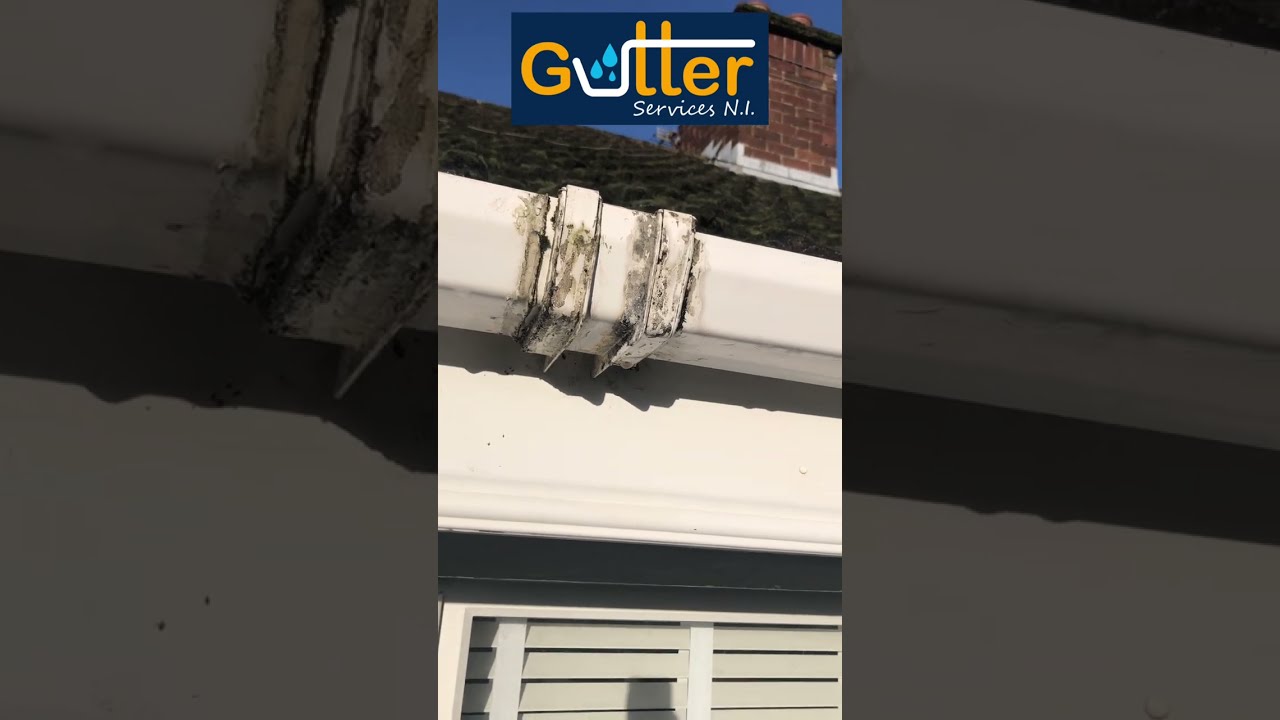
Gutters play a critical role in the lifespan of a shake roof. Blocked or overflowing gutters push water back under the lowest courses, causing rot at the eaves. In leafy Blue Mountains suburbs, gutters can fill rapidly, especially with eucalyptus leaves and bark.
Gutter Maintenance and Repair
Damaged gutter repair should be addressed before or alongside any shake work. Sagging sections, leaking joints, and rusted brackets are common. Aluminum gutter repair is typically straightforward and involves resealing joints, replacing sections, or re-fixing brackets. Homes with premium finishes may have copper gutter maintenance needs, including checking solder joints and managing patina. For larger buildings, commercial gutter services and comprehensive gutter services can handle higher volumes and difficult access.
Where overflow is a recurring problem, advanced gutter solutions such as larger downpipes, leaf guards designed for fine debris, and comprehensive drainage solutions can protect both the roof edge and the foundations.
Ventilation: A Key to Longer-Lasting Shakes
Cedar needs to dry out between wet periods. Good airflow beneath and above the roof deck helps moisture escape, while poor ventilation traps humidity and heat, accelerating shake deterioration and raising cooling costs in summer.
Attic Ventilation Options
Proper attic ventilation installation balances intake vents at the eaves with exhaust vents at or near the ridge. If your home already has vents that are blocked, damaged, or insufficient, attic ventilation repair can restore airflow. Customized roof ventilation plans account for roof shape, insulation levels, and local climate. More complex homes may need advanced ventilation techniques or comprehensive roof venting to ensure even airflow across all roof sections.
Better airflow also supports attic heat reduction and attic cooling methods, which lower energy use during hot summers. Some cedar shake installations use a ventilated underlayment or batten system that creates an air gap beneath the shakes to extend their life.
Related Exterior Work: Brick and Wall Repairs
Many Blue Mountains homes combine cedar shakes with brick walls, chimneys, and retaining structures. Water entering through failed brickwork can also damage roof edges and flashing, so it makes sense to assess these areas during a roof project.
Brick Repair Services
Common services include brick repointing services, brick mortar replacement, and brick mortar restoration to restore weather resistance. Brick joint repair and brick expansion joint repair address cracking caused by temperature movement and ground shifts. For more severe damage, brick structural repair, brick wall reconstruction, or comprehensive wall repair may be needed to maintain brick structural integrity.
Preventive work such as brick wall weatherproofing, brick erosion control, and brick durability enhancement helps masonry withstand freeze-thaw cycles and heavy rain. Ongoing brick wall maintenance, along with brick deterioration repair and brick facade repair, keeps chimneys and walls sound where they meet the roof. Brick also offers brick thermal insulation benefits that complement a well-ventilated roof.
Commercial Properties with Cedar Roofing
Lodges, guesthouses, cafés, and heritage-style commercial buildings across the Blue Mountains sometimes use cedar for its appearance. These properties require commercial roofing expertise, including commercial roof repair, commercial roof solutions, and scheduled comprehensive roof maintenance to minimise downtime. Commercial painting sealing can also protect timber cladding and trim. A comprehensive roof reroofing plan can be staged to keep businesses operating during the work.
How to Choose a Contractor
Because shake work is specialised, the installer matters as much as the material. Use this checklist when comparing quotes:
- Confirm the contractor holds the appropriate licence and insurance for roofing work in New South Wales.
- Ask about experience with cedar shakes specifically, not just general roofing.
- Look for certified roof repair credentials and manufacturer training where applicable.
- Request a written, itemised quote covering materials, underlayment, flashing, waste removal, and warranty.
- Check that the quote addresses bushfire compliance for your property.
- Ask for references or examples of completed local projects.
- Clarify whether gutters, ventilation, and sealing are included or priced separately.
Maintenance Tips to Extend Shake Life
Simple habits make a measurable difference. Remove leaves and debris from the roof surface and valleys regularly. Trim overhanging branches to increase sunlight and airflow. Treat moss early, preferably with products safe for timber and surrounding plants. Inspect the roof after major storms, and schedule a professional assessment every one to two years. A programme of comprehensive roof maintenance is almost always cheaper than emergency repairs or early replacement.
Final Thoughts
Cedar shake replacement is a significant investment, but understanding your repair options helps you spend wisely. Minor repairs and treatment can extend the life of a sound roof, while a comprehensive roof repair or complete roof installation may be the better value when damage is widespread. Pairing shake work with gutter improvements, ventilation upgrades, sealing, and masonry repairs protects the whole building envelope. For Blue Mountains homeowners, requesting a thorough on-site inspection and a detailed written quote is the best first step toward a durable, compliant, and attractive roof.
Top Roofer Blue Mountains
Old Bathurst Rd, Blaxland NSW 2774, Australia
(02) 4703 9006